Nyonya Kueh Making Workshop: Learn Pandan Crepes, Glutinous Rice, and a Blue Pea Flower Bonus on Smith Street
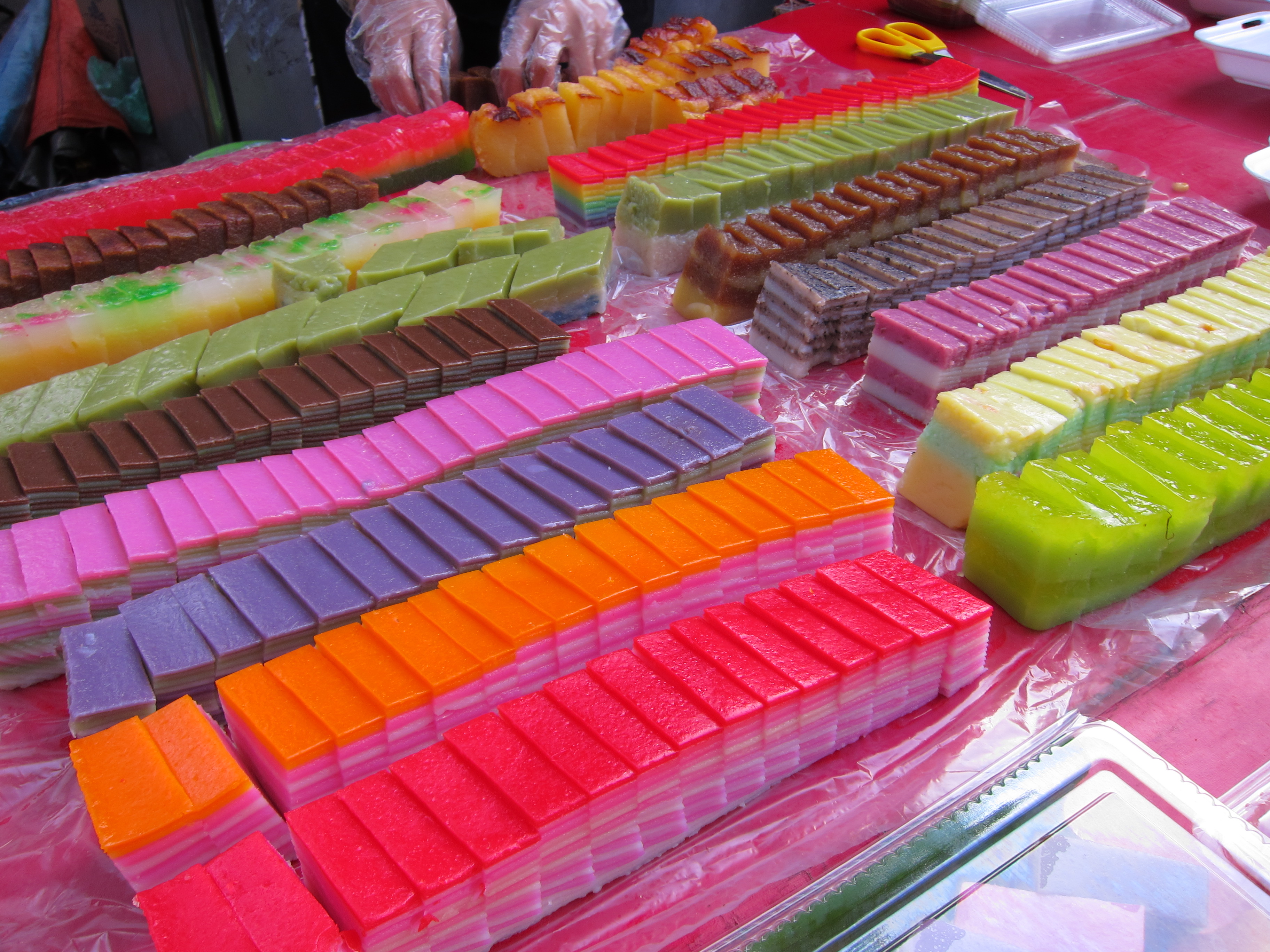
The Chinatown Business Association is running a hands-on Nyonya kueh making workshop on Saturday, 4 July 2026 at 9A Smith Street. The 90-minute session teaches participants how to make two traditional Peranakan desserts, with a third included as a bonus. It costs SGD 31.27 per person and runs in two time slots: 11am to 12:30pm, and 1:30pm to 3pm.
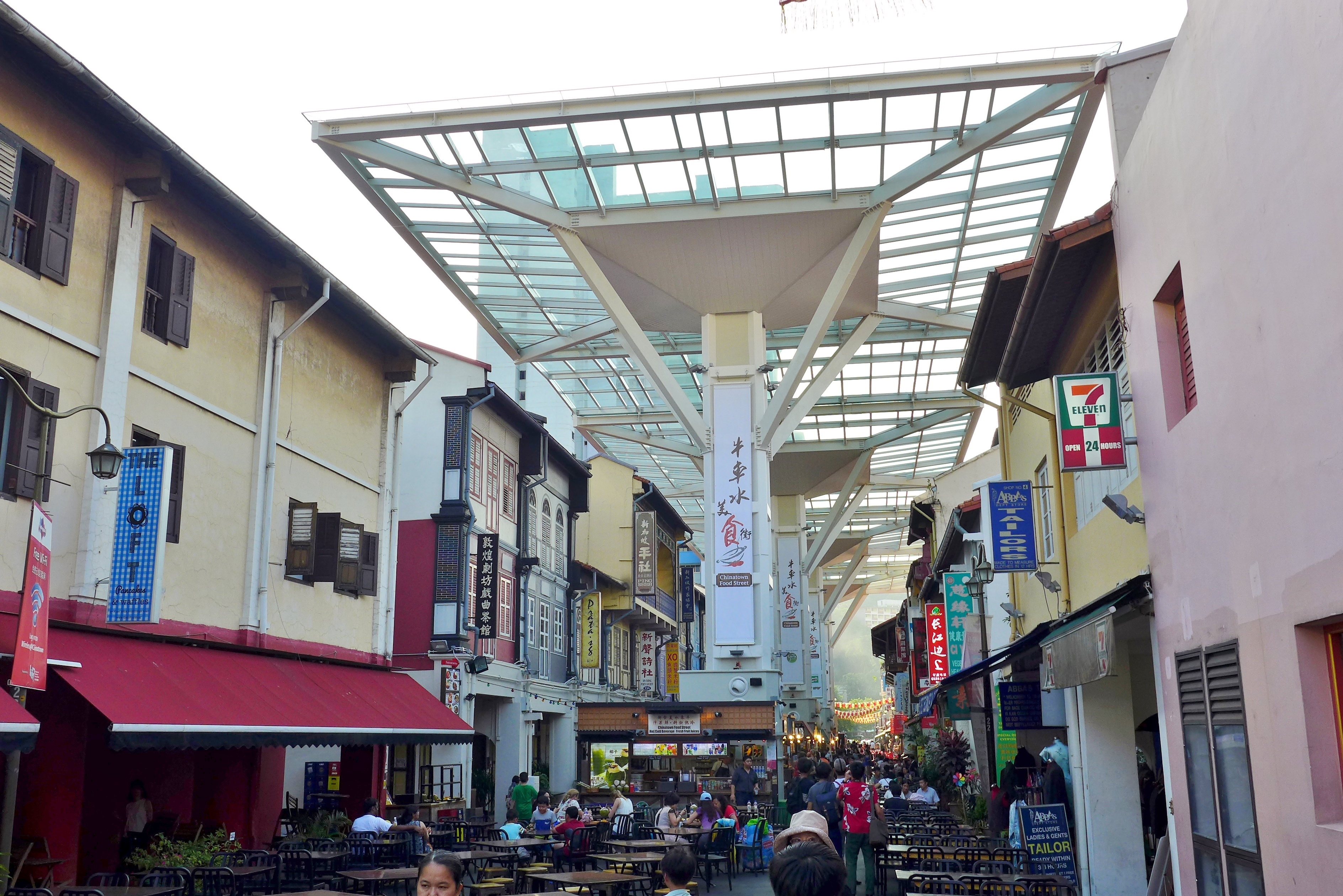
The workshop takes place on Smith Street, a short walk from Chinatown MRT (Exit A) and Maxwell MRT (Exit 1). It is designed for beginners and is bilingual in English and Chinese. No prior cooking experience is required.
Kueh Dadar: Pandan Crepes with Coconut
The first kueh on the menu is kueh dadar, a Peranakan staple you will recognise at any good kueh stall. The crepe is made with pandan juice, which gives it the signature bright green colour and a subtle floral fragrance. Inside, grated coconut is cooked with gula melaka (palm sugar) until it turns dark, sticky, and faintly smoky.
The trick to kueh dadar is the crepe itself. It needs to be thin enough to wrap around a generous filling without tearing, but not so thin that it falls apart when you pick it up. Participants practice pouring, swirling, and flipping the batter on a hot pan. The filling is prepared first so it has time to cool and thicken before being rolled into the crepes.
Pulut Inti: Glutinous Rice Crowned with Palm Sugar
Pulut inti is the second kueh taught in the workshop. It starts with steamed glutinous rice pressed into a compact base. The rice is cooked with a little coconut milk and salt. The topping is the same gula melaka-coconut mix used in kueh dadar, but here it sits on top of the rice like a dark, glossy crown. A small square of banana leaf or pandan leaf lines the bottom for fragrance.
Making pulut inti at home usually means waiting for the rice to steam properly. The workshop skips the waiting. The rice is pre-steamed, and the focus is on the assembly: how much topping to add, how tightly to pack the rice, and how to shape each piece so it holds together on the plate.
The Bonus: Kueh Tai Tai
The bonus kueh is kueh tai tai, sometimes called kuih sri muka or pulut tekan. It is a two-layer dessert: a base of plain glutinous rice topped with a soft custard made from coconut milk, eggs, and flour. The top layer is tinted blue with butterfly pea flower extract, giving it a natural colour that looks almost artificial.
Kueh tai tai is best eaten with kaya, the coconut-egg jam found in every kopitiam. The combination of salty rice, sweet pandan custard, and rich kaya is one of those pairings that makes sense only after you taste it. The workshop provides kaya for tasting after the kueh has set.
What to Know Before You Book
Slots are limited and tickets are non-refundable, so check your calendar before booking. The venue has all equipment provided: aprons, pans, steamer baskets, and ingredients. You walk in with nothing and leave with a box of kueh you made yourself.
The workshop suits solo participants, couples, and families. Children are welcome with adult supervision, and the 90-minute format is short enough that younger kids do not get restless. If you are looking for a deeper dive into Peranakan cooking, the Chinatown Business Association runs longer courses throughout the year, but this workshop is designed as an accessible entry point.
Practical Details
- Date: Saturday, 4 July 2026
- Time: Slot 1: 11am to 12:30pm | Slot 2: 1:30pm to 3pm
- Duration: 90 minutes
- Venue: Chinatown Business Association, 9A Smith Street, Singapore 058923
- Nearest MRT: Chinatown (NE4/DT19) Exit A, or Maxwell (TE18) Exit 1
- Price: SGD 31.27 per person
- Language: English and Chinese (bilingual)
- Kueh taught: Kueh Dadar, Pulut Inti, plus bonus Kueh Tai Tai
- Notes: Tickets non-refundable, limited slots, all equipment provided